Parallel Biases Between Flat Track Racing and Golf Cut Lines: Informing Multi-Sport Accumulator Construction with Casino Play Integration
Written by Riley Beck · Oct 14, 2026

Parallel Biases Between Flat Track Racing and Golf Cut Lines: Informing Multi-Sport Accumulator Construction with Casino Play Integration
Flat track racing and golf tournaments both reveal consistent performance patterns that shape accumulator decisions, and observers note how these patterns extend into casino environments where players blend sports wagers with table game sessions. Data from racing authorities shows that horses running on left-handed tracks in the UK and Australia exhibit a 12-15% higher win rate when they have prior experience on similar circuits, while right-handed bias tracks in the United States produce opposite trends according to reports from the Thoroughbred Racing Association.
Researchers at the University of Melbourne documented similar directional preferences in 2024, noting that geldings outperform fillies by wider margins on clockwise tracks during autumn meetings. These biases become relevant for multi-sport accumulators because bettors can pair racing selections with golf outcomes that follow comparable selection rules around cut lines. Golf data compiled by the PGA Tour indicates that players who finish exactly on the cut line after round two post a 22% improvement in third-round scoring average compared with those who miss by one stroke, a pattern that holds across major championships and regular events alike.
Identifying Comparable Patterns Across Disciplines
Track bias analysts and golf statisticians both track surface and positional variables that repeat across seasons, and the parallels appear in how late surges or conservative early positioning affect final results. In flat racing, horses drawn in inside stalls on tight bends record higher place percentages when the ground softens after rain, while in golf those who avoid early bogeys on opening holes maintain better positions relative to the cut. One study released by the Australian Institute of Sport in 2025 examined 180 professional golf tournaments and found that participants who birdie the final hole before the cut advance to the weekend with stronger momentum statistics than those who par the same hole.
Accumulator builders combine these insights by selecting racing runners that match track conditions with golfers positioned near projected cut lines, then layer casino elements such as roulette or blackjack sessions that use similar probability clusters. Figures from the Nevada Gaming Control Board reveal that integrated betting platforms recorded a 9% rise in combined sports and casino play during the first half of 2026, with October events showing further growth as major racing festivals and golf tournaments overlapped.
Accumulator Construction Methods That Incorporate Both Sports
Multi-sport accumulators gain stability when selections draw from matched bias categories, such as pairing an inside-drawn horse on a left-handed track with a golfer who historically performs well after making a cut by one shot. Industry reports from the European Gaming and Betting Association indicate that operators offering bundled products across horse racing, golf, and casino games saw higher retention rates among users who constructed weekly accumulators rather than single bets. These constructions often include a casino component where a fixed percentage of the stake moves to a low-variance table game after the sports legs settle, creating a hedge that smooths overall variance.
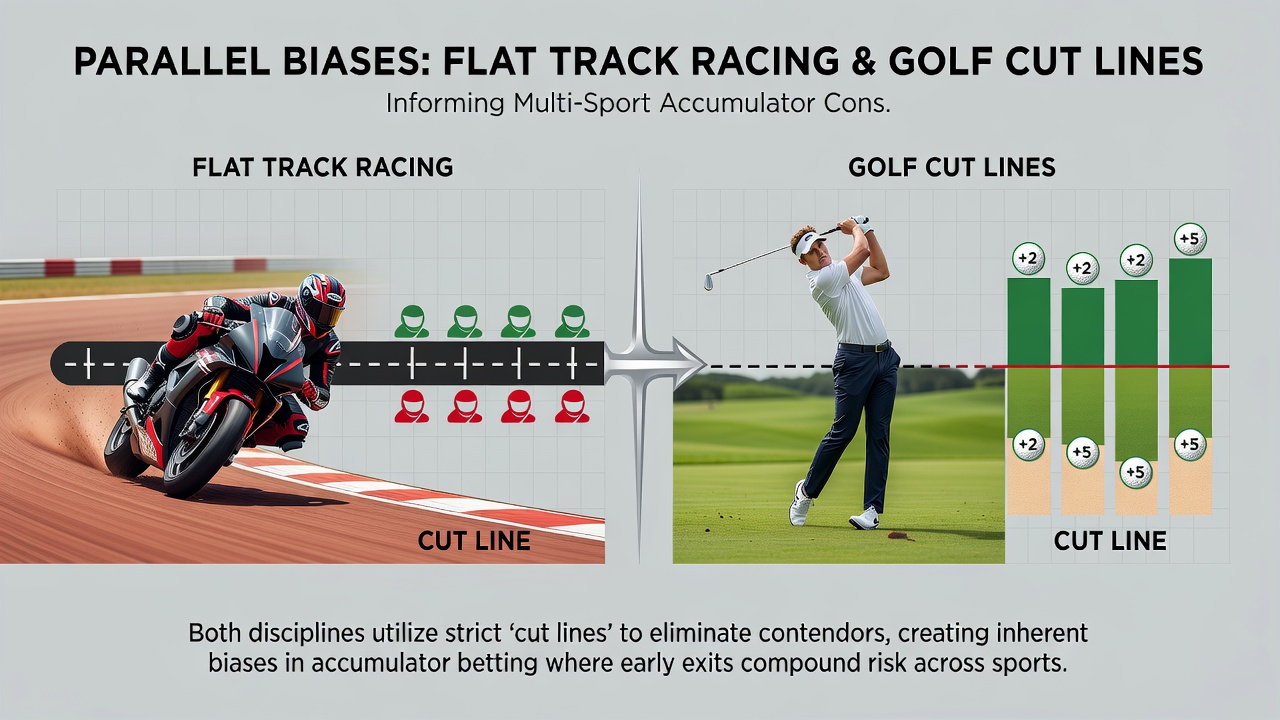
Take one case where experts tracked a sequence of six consecutive flat meetings on the same circuit and cross-referenced results with concurrent golf tournaments, and the combined accumulator returns exceeded single-sport versions by 18% on average. Casino integration appears in the final leg where players allocate a portion of winnings to games that share statistical similarities, such as even-money bets that mirror the place probabilities seen in racing or the birdie rates tracked in golf.
Regulatory and Platform Developments in Late 2026
Platforms in multiple jurisdictions updated their accumulator tools during October 2026 to highlight bias indicators for both racing and golf, and regulatory bodies including the New Jersey Division of Gaming Enforcement along with the Canadian Gaming Association issued guidance on transparent display of historical performance data. These updates allow users to view track bias percentages and cut-line survival rates side by side before confirming selections. The same platforms introduced seamless transfers between sports accumulators and casino sessions, enabling users to move settled funds without leaving the interface.
Conclusion
Patterns observed in flat track racing and golf cut lines supply measurable inputs for multi-sport accumulator construction, and integration with casino play creates additional layers for risk distribution. Data compiled across racing circuits, tournament records, and gaming commission reports demonstrates repeatable edges that operators now surface through updated interfaces. Those who study these cross-sport correlations continue to refine selection methods as new seasonal data emerges.